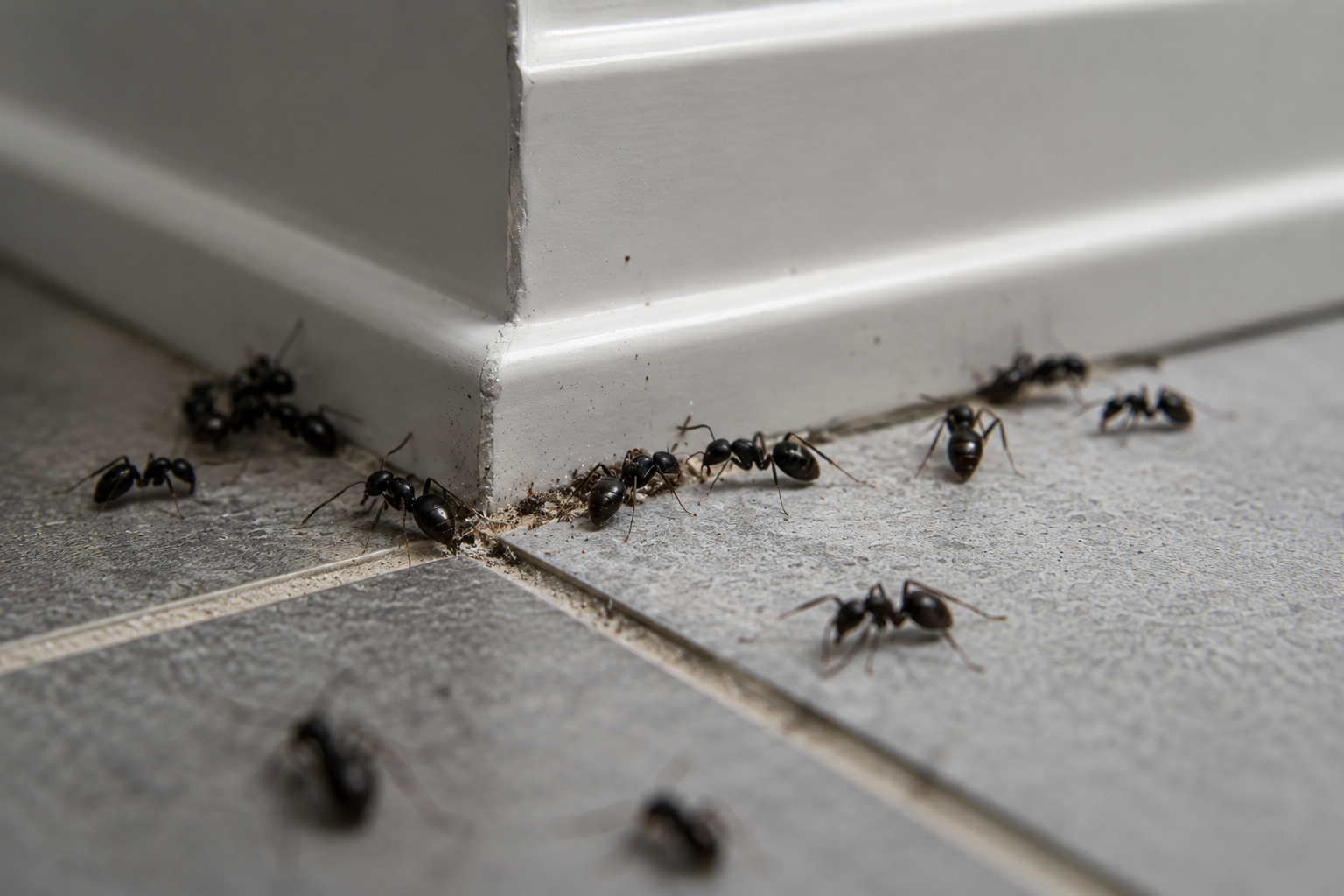
Ant problems are one of the most common pest issues homeowners face in Ontario. As temperatures rise and seasonal conditions change, ants begin searching for food, moisture, and nesting areas. Many homeowners only think about treatment once ants are already invading the kitchen or appearing throughout the home, but timing plays a major role in how effective ant control can be.
Understanding the best time of year for ant treatments can help homeowners stop infestations earlier, reduce the chances of colonies spreading, and improve long-term results.
For homes in Kitchener, Waterloo, Cambridge, and surrounding areas, ant activity changes throughout the year. Knowing what to expect each season can make it easier to protect your home before infestations become difficult to control.
Why Timing Matters for Ant Control
Ant colonies behave differently depending on the season. Their feeding habits, nesting activity, and movement patterns all change throughout the year. Treating ants at the right time improves the chances of targeting the colony when it is most vulnerable or most active.
Waiting too long often allows colonies to grow larger, spread further, and establish additional nesting sites inside or around the home. Early intervention almost always leads to better results.
Spring: The Most Important Time for Ant Treatments
Spring is widely considered the best time of year for ant treatments in Ontario. As temperatures warm, ants become active after winter dormancy. Worker ants begin leaving the colony in search of food and water, which is why homeowners suddenly start seeing ants near windows, kitchens, sinks, and baseboards. This early-season activity provides an opportunity to target colonies before they become fully established for the summer.
Why Spring Treatments Work Well
During spring, ant colonies are actively rebuilding and expanding after winter. Workers are aggressively foraging, making bait treatments especially effective. Ants are also more likely to enter homes during spring due to:
- Melting snow and excess moisture
- Fluctuating outdoor temperatures
- Increased food searching activity
Addressing the problem during this stage can prevent much larger infestations later in the year.
Spring Carpenter Ant Activity
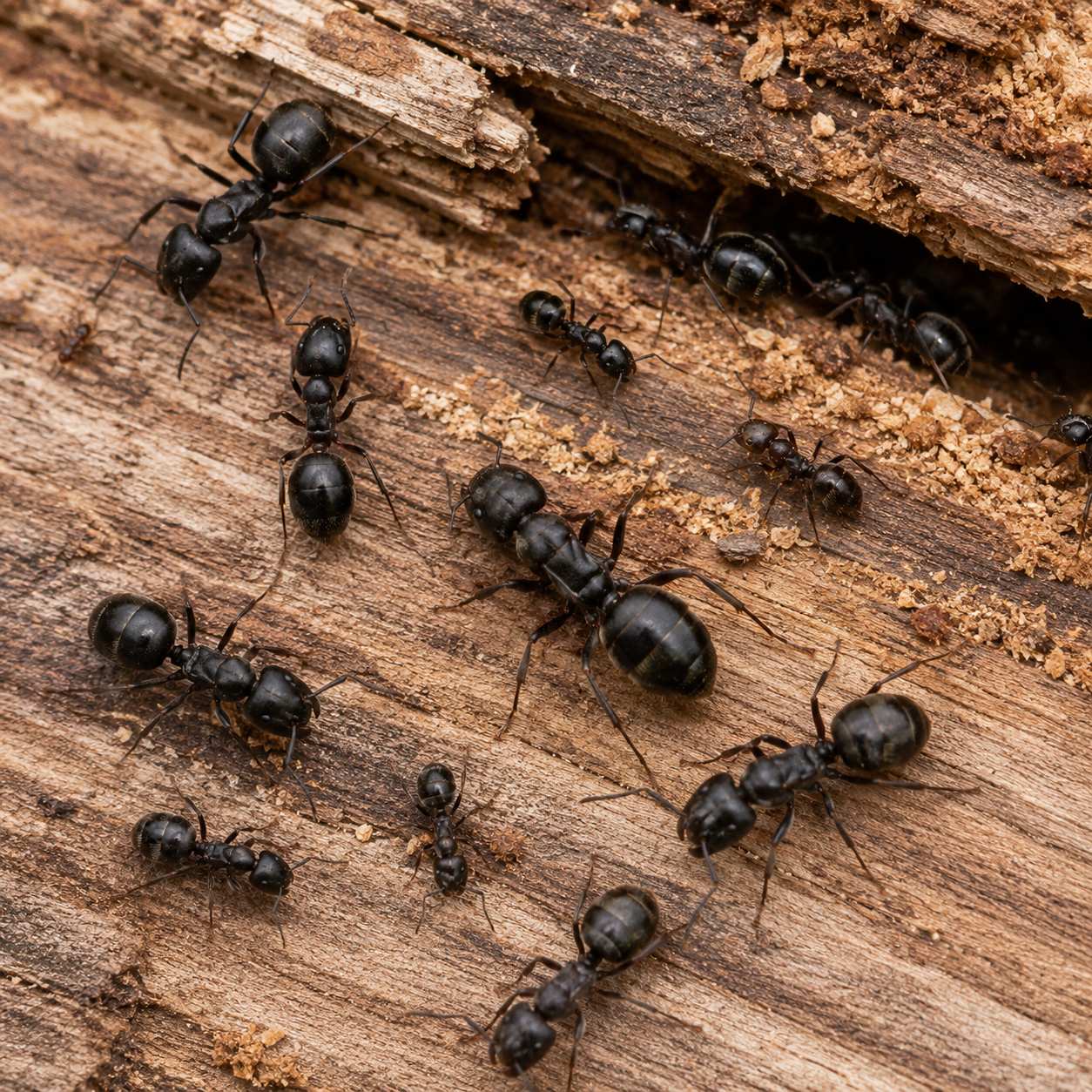
Spring is also when carpenter ants become much more noticeable indoors. These large ants often emerge after winter and begin foraging around homes. Finding carpenter ants in spring can indicate moisture issues or hidden nesting areas inside walls, ceilings, or damp wood. This is why spring inspections are especially important for Ontario homeowners.
Summer: Peak Ant Activity Season
While spring is ideal for prevention and early control, summer is when ant activity often reaches its highest levels. Warm temperatures accelerate colony growth and increase foraging activity. Homeowners commonly notice long ant trails, increased kitchen activity, and outdoor nesting around patios, driveways, and foundations.
Why Summer Infestations Feel Worse
By summer, colonies are larger and more established. This means more worker ants are actively searching for food.
Outdoor conditions also encourage ants to move closer to homes. Dry periods can drive ants indoors looking for water, while summer storms may temporarily displace outdoor colonies.
Kitchens become a major target during this season because ants are drawn to food residue, garbage, pet food, and moisture around sinks.
Summer Treatments Can Still Be Effective
Although spring is preferred, summer treatments are still highly effective when done properly. Professional pest control services can target active colonies directly and identify the source of recurring activity. Because ants are highly active during summer, treatments often produce visible results quickly.
Fall: A Good Time for Prevention
As temperatures begin cooling in fall, ant activity typically starts slowing down outdoors. However, this does not mean the problem disappears completely. Some ant species may begin moving deeper into structures searching for warmth and stable shelter before winter. Fall can be a valuable time for preventative treatments and inspections.
Why Fall Prevention Helps
Treating homes in fall can help reduce overwintering colonies and lower the chances of seeing indoor activity the following spring. Exterior inspections during fall can also identify small gaps and vulnerabilities before winter weather arrives. This is especially important for homes with a history of recurring ant problems.
Winter: Lower Activity but Not Always Gone
Many homeowners assume ants disappear entirely during winter, but indoor activity can still occur under the right conditions. Heated homes provide stable temperatures that allow some colonies to remain active year-round, especially if nests are already established indoors. Certain species, including pharaoh ants and carpenter ants, may continue appearing inside homes even during colder months.
Winter Ant Sightings Should Not Be Ignored
Seeing ants indoors during winter often suggests an established indoor colony rather than seasonal outdoor foraging. This can indicate a more advanced infestation that requires professional treatment. Winter may not be the busiest ant season, but it can still be an important time to address hidden activity before spring arrives.
Best Time for Carpenter Ant Treatments
Carpenter ants deserve special attention because they are different from many other household ants. These ants tunnel through wood to create nesting galleries and are often associated with moisture-damaged areas.
Spring and Early Summer Are Ideal
Carpenter ants are most active during spring and early summer when foraging increases significantly. This is usually when homeowners first notice them indoors.
Treating carpenter ants early is important because colonies can continue expanding throughout the season if left untreated. Professional inspections also help identify moisture conditions that may be attracting them.
Why DIY Treatments Often Fail Regardless of Season
Many homeowners attempt to treat ants themselves using sprays or over-the-counter products. While these products may kill visible ants temporarily, they often fail to eliminate the colony itself. Improper treatment can sometimes worsen infestations by scattering colonies or causing ants to relocate deeper into walls or other hidden areas.
Different ant species also require different treatment approaches. What works for one species may not work for another. This is one reason recurring ant problems are so common after DIY efforts.
The Importance of Professional Ant Control
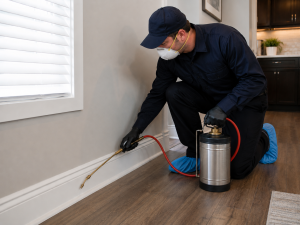
Professional ant treatments are designed to target the source of the infestation rather than just the ants you can see. Effective treatment typically includes:
- Identifying the ant species
- Locating nesting and foraging areas
- Applying targeted baiting or treatment methods
- Addressing exterior entry points and conditions
Seasonal timing helps improve results, but professional strategy is what creates long-term control.
Preventing Future Ant Problems
No matter what time of year treatment occurs, prevention remains an important part of keeping ants away.
Simple preventative measures include:
- Keeping kitchens clean and dry
- Sealing food properly
- Fixing leaks and moisture issues
- Sealing exterior gaps and cracks
- Reducing debris and vegetation near the home
Combining prevention with early treatment provides the best long-term protection.
When Should You Schedule Ant Treatment?
For most Ontario homeowners, spring is the best time to schedule ant treatment because colonies are becoming active and easier to intercept before peak summer activity begins.
However, any time ants are actively entering your home is a good time to address the problem. Waiting for the infestation to worsen usually makes control more difficult and increases the chances of recurring issues later.
Book Ant Treatments with KW Pest Control
If you are seeing ants in your home or want to prevent seasonal infestations, professional treatment can help stop the problem early. KW Pest Control provides professional ant control services throughout Kitchener, Waterloo, and Cambridge. Our team identifies the ant species, targets the colony, and helps protect your home from future infestations.
For effective seasonal ant treatments, contact KW Pest Control.