
Mice are often seen as small and harmless, especially compared to larger pests. In reality, they can pose serious health and safety risks inside a home. For homeowners in Kitchener, Waterloo, and Cambridge, understanding the dangers associated with mice is important not just for comfort, but for protecting your household.
A mouse problem is rarely just about the inconvenience of seeing one run across the floor. The real concern lies in what they leave behind, how they live, and how quickly they can contaminate your environment.
Why Mice Are a Health Concern
Mice spend their lives in unsanitary environments. Outdoors, they travel through soil, garbage, and waste. Indoors, they move through walls, ceilings, and hidden areas where dust and debris collect.
As they travel, they carry bacteria and pathogens on their bodies and in their droppings and urine. Once inside your home, they spread this contamination across surfaces, food storage areas, and even the air. This is what makes mice more than just a nuisance. They are a genuine health concern.

Diseases Associated with Mice
Mice are known carriers of several diseases that can affect humans. While not every mouse carries disease, the risk is always present when they are inside your home.
Hantavirus
Hantavirus is one of the most commonly discussed diseases linked to rodents. It is transmitted through airborne particles from dried mouse droppings, urine, or nesting materials.
When these particles are disturbed, such as during cleaning, they can become airborne and inhaled. This makes areas like attics, basements, and storage spaces particularly risky if mice have been active.
Salmonella
Mice can contaminate food and food preparation surfaces with bacteria such as salmonella. This can happen when they walk across counters, inside cupboards, or through pantry areas. Even sealed packaging can be compromised if mice chew through it, exposing food to contamination.
Leptospirosis
This bacterial infection can spread through contact with water or surfaces contaminated with mouse urine. It can enter the body through cuts in the skin or through mucous membranes. While less commonly discussed, it remains a concern in areas where mice are active.
Air Quality and Allergens
One of the less obvious risks associated with mice is the impact on indoor air quality. As droppings and urine dry out, they can break down into fine particles that become airborne. These particles can trigger allergies and respiratory issues, especially in children, seniors, or anyone with asthma. In homes with ongoing mouse activity, this exposure can become a constant issue, even if the mice are not seen regularly.
Contamination of Living Spaces
Mice do not stay in one place. They travel throughout the home in search of food and nesting materials. This contamination can occur in kitchens, cupboards, drawers, and even on items like dishes or utensils. Because mice are active at night, homeowners often do not realize how much of the home has been affected until signs become more obvious.
As they move, they contaminate surfaces with:
- Droppings
- Urine
- Hair and dander
Structural and Safety Risks
Beyond health concerns, mice can also cause physical damage to your home.
Chewed Wires
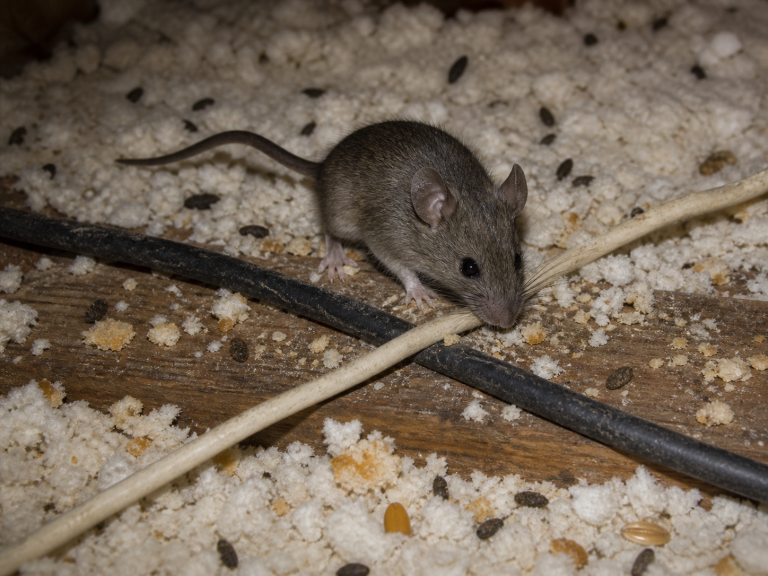
Mice have a constant need to chew to keep their teeth from overgrowing. Electrical wiring is a common target. Chewed wires can create a serious fire hazard. In some cases, this type of damage goes unnoticed until a problem occurs.
Damage to Insulation and Materials
Mice use insulation, paper, and other materials to build nests. Over time, this can damage walls, ceilings, and attic spaces. This type of damage not only affects the structure but can also impact energy efficiency and air quality.
How Quickly a Mouse Problem Can Grow
Mice reproduce quickly. A single pair can lead to a much larger population in a short period of time. Because they stay hidden, many infestations go unnoticed until they are already well established. The longer mice remain in a home, the greater the health risk becomes. Contamination builds over time, and the chances of exposure increase.
Signs That Indicate a Health Risk
Recognizing the signs of mouse activity early can help reduce health risks.
Common indicators include:
- Droppings in cupboards, drawers, or along baseboards
- Scratching or movement in walls and ceilings
- Chewed food packaging or materials
- A musty or unpleasant odour
These signs suggest that mice are actively living and moving through your home, which means contamination is likely already occurring.
Why DIY Cleanup Can Be Risky
When homeowners discover mouse activity, the instinct is often to clean it up right away. While cleaning is important, doing it incorrectly can increase health risks. Sweeping or vacuuming droppings can release harmful particles into the air. Without proper precautions, this can lead to inhalation of contaminants. Protective measures, such as wearing gloves and using appropriate cleaning methods, are essential when dealing with mouse-related messes.
The Importance of Proper Mouse Control
Because of the health risks involved, removing mice from your home should be handled carefully and thoroughly.
Effective mouse control involves:
- Removing active mice
- Identifying where they are entering
- Preventing future access
Addressing only part of the problem can leave you exposed to ongoing risks. Professional pest control services are designed to handle these situations safely, reducing both the mouse population and the associated health concerns.
Protecting Your Home and Family
The best way to reduce the dangers associated with mice is to prevent them from entering your home in the first place. Regular inspections of the exterior can help identify small gaps and openings before they become entry points.
Keeping food sealed, maintaining cleanliness, and reducing clutter also help make your home less attractive to mice. Taking these steps early can prevent a small issue from becoming a larger health concern.
Book Mouse Control with KW Pest Control
If you suspect mice in your home or are concerned about the health risks, it is important to take action quickly. KW Pest Control provides professional mouse control and prevention services throughout Kitchener, Waterloo, and Cambridge. Our team focuses on identifying entry points, removing active mice, and helping protect your home from future issues.
For safe, effective mouse control, contact KW Pest Control today to book your inspection and treatment.