
Mice are one of the most common pest issues homeowners face in Cambridge, Ontario. Whether you live in a newer subdivision or an older home near the downtown core, mice can find their way inside and settle in quickly. What often starts as a small issue can turn into a larger infestation if it is not addressed properly.
Many homeowners first notice subtle signs such as scratching in the walls or a few droppings in the kitchen. By that point, mice are usually already established inside the home. Understanding how mice behave, why they enter, and what actually works to remove them is key to solving the problem effectively.
This guide covers what Cambridge homeowners need to know about mouse removal, from early warning signs to long-term prevention.
Why Mice Are a Problem in Cambridge Homes
Cambridge has a mix of urban areas, green spaces, and growing residential developments. This combination creates ideal conditions for mice. They have access to food, shelter, and plenty of places to nest.
Seasonal changes play a big role. In the fall and winter, mice actively move indoors to escape the cold. In the spring and summer, the problem often becomes more noticeable as populations grow and activity increases. Homes provide everything mice need. Warmth, hidden nesting areas, and easy access to food make them an ideal environment. Once they get inside, they rarely leave on their own.
How Mice Get Into Your Home
One of the biggest misconceptions is that mice only enter through large openings. In reality, they can squeeze through extremely small gaps.
Common entry points in Cambridge homes include:
- Gaps along the foundation
- Openings around utility lines and pipes
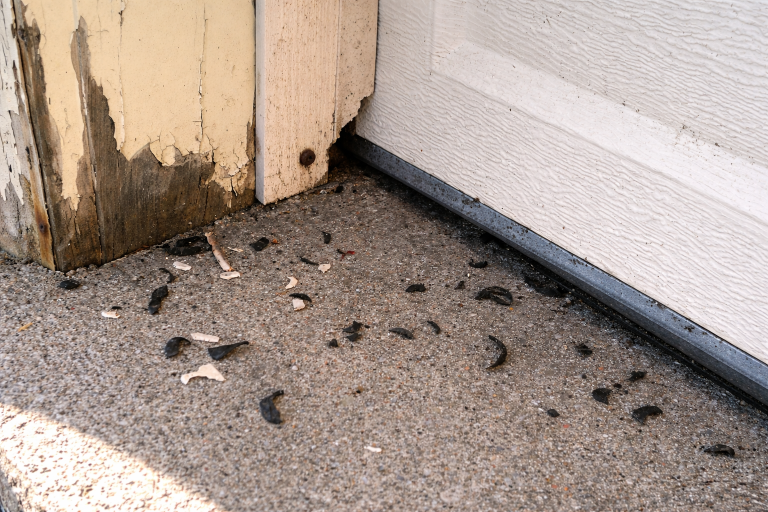
- Spaces under doors, especially garage doors
- Roofline gaps and damaged vents
- Cracks where building materials meet
Many of these openings are easy to overlook. Over time, weather and normal wear can create new access points without homeowners realizing it. Once inside, mice use wall cavities, ceilings, and basements to move throughout the home.
Signs You Have a Mouse Problem
Recognizing the signs early can save time and prevent the issue from growing. Mice tend to stay hidden, but they leave behind clear evidence of their activity.
You may notice:
- Droppings in kitchen cabinets, drawers, or along baseboards
- Scratching or scurrying sounds, especially at night
- Chewed food packaging or materials
- A musty odour in enclosed spaces
- Activity in areas like basements, attics, or garages
In many Cambridge homes, the first sign is noise in the walls or ceiling. Because mice are nocturnal, this activity is often most noticeable late at night when the house is quiet.
Why Mice Multiply So Quickly
Mice reproduce at a rapid pace. This is one of the main reasons infestations can escalate so quickly. A single pair of mice can lead to multiple litters in a short period of time. As the population grows, mice begin spreading into new areas of the home. This is why what seems like a small issue can suddenly feel much larger. By the time mice are seen regularly, there is often an established population inside the structure.
The Risks of Having Mice in Your Home
Mice are more than just a nuisance. They can create several problems for homeowners. They contaminate surfaces with droppings and urine, which can affect food preparation areas and storage spaces. They also chew constantly, which can damage materials inside the home.
One of the biggest concerns is wiring. Mice will chew electrical wires, which can increase the risk of fire hazards. They can also damage insulation, drywall, and stored items. The longer mice remain inside the home, the greater the potential for damage and contamination.

What Works for Mouse Removal
Effective mouse removal involves more than just catching a few mice. A complete approach focuses on removing active mice, identifying how they entered, and preventing new ones from getting inside.
Removing Active Mice
Traps and control stations are commonly used to eliminate mice already inside the home. Placement is critical. Mice travel along walls and edges, so treatments need to be placed directly in these paths.
In Cambridge homes, common placement areas include:
- Behind appliances like stoves and fridges
- Under sinks
- Inside garages
- Along basement walls
- Near known entry points
When done correctly, activity levels often decrease quickly.
Identifying Entry Points
Removing mice without addressing how they entered will not solve the problem long term. Entry points need to be identified and properly sealed. This often requires a detailed inspection of the home’s exterior. Areas that look insignificant can be enough for mice to get through. Proper sealing involves durable materials such as steel mesh and sealant. Simple fixes like foam alone are not effective, as mice can chew through them.
Preventing Future Activity
Once the current problem is under control, prevention becomes the focus. This includes maintaining a clean environment and reducing attractants.
Food should be stored in sealed containers, and crumbs or debris should be cleaned regularly. Garbage and recycling should also be managed carefully. Even clean homes can have mouse problems, but reducing food sources makes your home less appealing.
Why DIY Methods Often Fall Short
Many homeowners in Cambridge start with do-it-yourself solutions. While this can catch a few mice, it often does not address the full problem. Traps alone do not stop new mice from entering. Store-bought products are often placed incorrectly, which reduces their effectiveness.
Another issue is underestimating the size of the infestation. What seems like one or two mice can actually involve multiple nesting areas inside the home. Without identifying entry points and treating the problem fully, mice can continue to return.

Professional Mouse Removal in Cambridge
Professional rodent control focuses on solving the entire problem, not just the visible signs. This starts with a thorough inspection to understand where mice are active and how they are entering.
From there, treatment is applied strategically based on the layout of the home and the level of activity. Interior stations, targeted trapping, and exterior recommendations all work together to remove mice and prevent them from coming back. This approach is what makes professional service faster and more reliable compared to trial-and-error methods.
How Long Does It Take to Get Rid of Mice?
Results can happen quickly when the right approach is used. Many homeowners notice a reduction in activity within the first few days after treatment begins.
Full resolution depends on the size of the infestation and whether entry points are addressed. Homes with unsealed gaps may continue to see activity even after initial removal. With a complete plan in place, most mouse problems can be brought under control in a short period of time.
Protecting Your Home Moving Forward
Ongoing awareness is important, especially in areas like Cambridge where seasonal changes affect pest activity.
Checking the exterior of your home regularly can help identify new gaps before they become a problem. Paying attention to early signs such as noises or droppings can also prevent a small issue from growing. Many homeowners choose to stay proactive with pest control to avoid repeat issues.
Book Mouse Control with KW Pest Control
If you are dealing with mice in your Cambridge home, acting quickly can make a big difference. What starts as a minor issue can grow rapidly if left untreated.
KW Pest Control provides professional mouse removal services throughout Cambridge, Kitchener, and Waterloo. Our team focuses on identifying entry points, removing active mice, and helping prevent future infestations.
For fast, effective service, contact KW Pest Control to book your inspection and treatment.