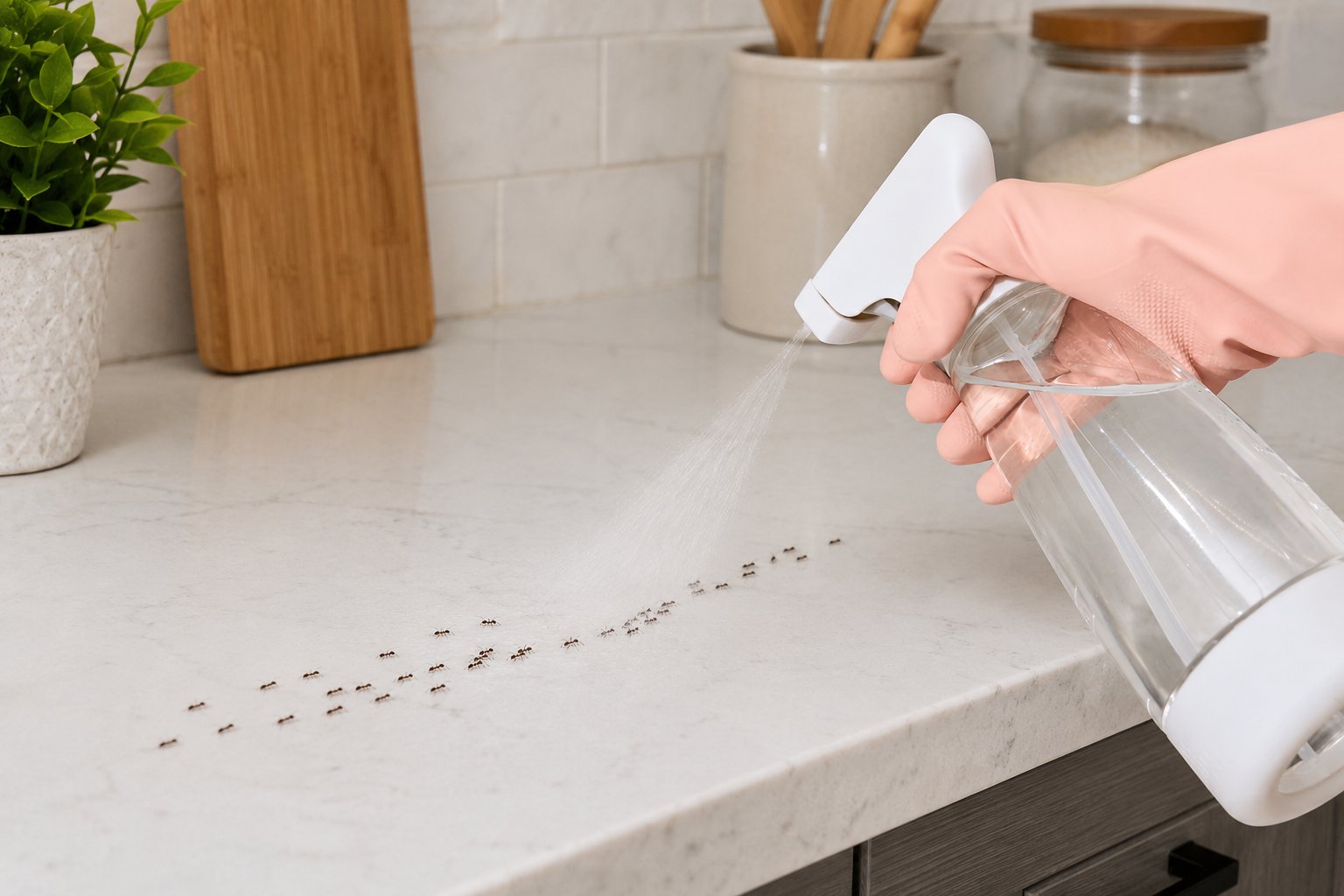
Ant infestations can be frustrating for homeowners because they often seem to disappear after a spray treatment, only to return days or weeks later. Many people assume the treatment failed, but the reality is usually more complicated. Ant colonies are highly organized, resilient, and capable of surviving conditions that would eliminate many other pests. Understanding why ants keep coming back after spraying can help homeowners choose more effective solutions and avoid wasting time and money on treatments that only provide temporary relief.
If you’re dealing with recurring ant problems in Kitchener, Waterloo, Cambridge, or surrounding areas, learning how ant colonies function is the first step toward permanent control.
Why Ants Often Return After Spraying
One of the biggest misconceptions about ant control is that killing the ants you can see solves the problem. In reality, the ants walking across your kitchen counter or along your baseboards represent only a small fraction of the colony.
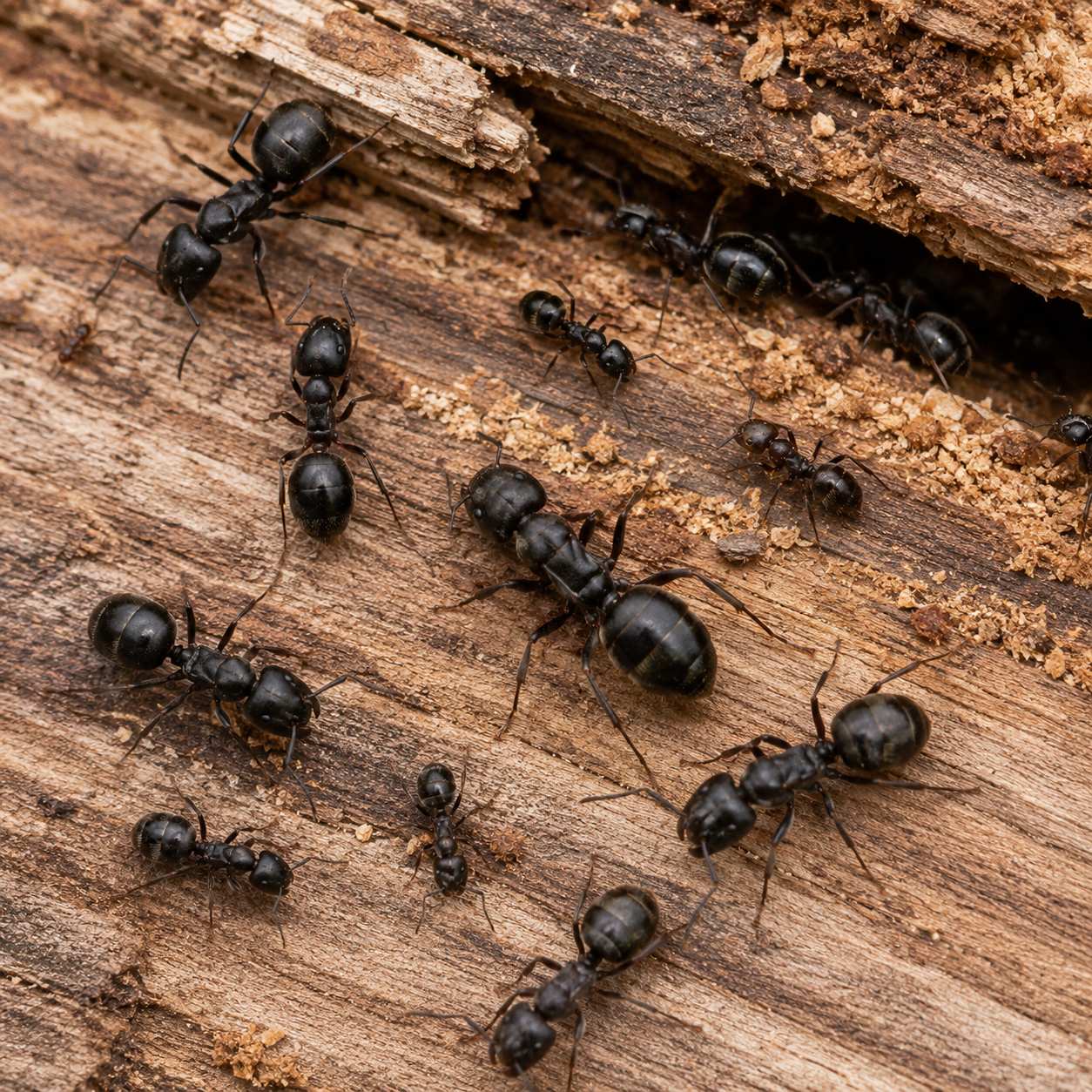
Most ant colonies are hidden underground, inside wall voids, beneath concrete slabs, under decks, or within rotting wood. The worker ants you encounter are simply foraging for food and returning it to the colony. When a homeowner sprays these visible ants, they may eliminate dozens or even hundreds of workers, but the queen and the rest of the colony often remain untouched. As long as the colony survives, it can continue producing new workers that eventually find their way back into the home.
Surface Sprays Only Treat Symptoms
Many over-the-counter ant sprays are designed for quick knockdown. When sprayed directly on ants, they kill them almost immediately. While this can provide temporary relief, it often does little to address the source of the infestation.
Think of visible ants as the tip of the iceberg. The majority of the colony remains hidden. Surface sprays may eliminate the ants currently visible in your kitchen, bathroom, or basement, but they rarely penetrate deep enough to reach nesting sites. This is why many homeowners notice a reduction in activity for a few days before ants gradually begin reappearing.
Ant Colonies Can Be Massive
Depending on the species, ant colonies can contain thousands or even hundreds of thousands of ants. Some species common in Ontario can maintain multiple nests connected to the same colony.
Pavement ants, one of the most common ant species found around homes in Kitchener and Waterloo, often build extensive underground networks beneath driveways, patios, sidewalks, and foundations. Carpenter ants may establish satellite colonies within wall cavities, attics, crawlspaces, and moisture-damaged wood. Even if a spray treatment eliminates one section of the colony, other nesting areas may remain active and continue producing workers.
Spraying Can Sometimes Make the Problem Worse
Many homeowners are surprised to learn that improper spraying can actually increase ant activity. Certain ant species respond to threats by splitting their colonies. This process is known as budding. When part of a colony is disturbed, multiple queens and groups of workers may relocate and establish new nests nearby.
Instead of one colony, you may suddenly have several smaller colonies spread throughout the property. This issue is particularly common with species such as pharaoh ants. In these situations, indiscriminate spraying can actually prolong the infestation and make control more difficult.
The Queen Survives
The queen is the most important member of the colony. Her primary role is laying eggs and producing new workers. As long as the queen remains alive, the colony has the ability to recover.
Most ant sprays never reach the queen because she is protected deep within the nest. Worker ants act as a buffer between the colony and outside threats. When workers die, the queen simply replaces them. Effective ant control focuses on eliminating the colony itself rather than just the visible workers.
Food Sources Continue to Attract Ants
Even after a successful treatment, ants may continue returning if attractive food sources remain available. Ants are constantly searching for food, water, and shelter. Common attractants include:
- Crumbs under appliances
- Pet food left out overnight
- Sugary spills
- Garbage containers
- Compost bins
- Moisture around sinks
- Leaking pipes
A property that consistently provides food and water can continue attracting new ants from nearby colonies. This is why sanitation plays an important role in long-term ant prevention.
Outdoor Colonies Keep Sending New Ants
In many cases, the ants inside your home originate from colonies located outdoors. A treatment inside the house may reduce activity temporarily, but outdoor nests remain active. Worker ants continue exploring and searching for resources. Eventually, they discover entry points and reinfest the structure.
Without addressing exterior colonies, interior treatments often provide only short-term results. Common outdoor nesting locations include:
- Under concrete slabs
- Beneath landscaping stones
- Around tree roots
- Under decks and porches
- Along foundation walls
- Inside rotting wood
Entry Points Remain Open
Ants can enter through incredibly small openings. Tiny foundation cracks, gaps around utility lines, damaged weather stripping, window frames, and door thresholds can all provide access to a home. If these openings remain unsealed, new ants can continue entering even after a treatment appears successful. Professional ant control often includes identifying likely entry points and recommending exclusion measures to reduce future activity.
Seasonal Ant Activity Changes
Many homeowners notice ants returning during specific times of year. Spring is often when ant activity begins increasing as colonies become active after winter. Workers emerge in search of food and water, leading to increased sightings indoors. Summer brings peak foraging activity. Colonies grow rapidly and food demands increase.
During periods of drought, ants may move indoors seeking moisture. During heavy rainfall, underground nests can become flooded, forcing colonies to relocate. Because environmental conditions constantly change, ant activity can fluctuate throughout the year.
DIY Treatments Often Miss Hidden Nests
Many do-it-yourself treatments focus on the areas where ants are seen rather than where they are nesting. Unfortunately, ant nests are often hidden in locations homeowners cannot easily access.
Carpenter ants may nest behind walls, inside ceiling voids, beneath insulation, or inside damaged wooden structures. Pavement ants often nest beneath concrete where sprays cannot penetrate. Without locating the colony, treatments frequently provide only temporary relief.
Why Baiting Is Often More Effective
Professional ant control programs frequently rely on baiting systems rather than simply spraying visible ants. Baits work differently from contact sprays. Instead of killing ants immediately, they allow workers to carry the product back to the colony.
As worker ants share food with nestmates, the treatment spreads throughout the colony, eventually reaching queens, larvae, and other members. This colony-wide approach often produces much better long-term results than treatments that target only visible ants. Because the entire colony is affected, the likelihood of reinfestation is significantly reduced.
Different Ant Species Require Different Solutions
Not all ants behave the same way. Pavement ants, carpenter ants, odorous house ants, pharaoh ants, and other species each have unique nesting habits and feeding preferences.
A treatment that works well for one species may be ineffective against another. For example, carpenter ants often require locating moisture-damaged wood and treating nesting sites directly. Pavement ants may respond better to targeted baiting and exterior perimeter treatments. Accurate identification is a critical part of successful ant control.
How Professional Ant Treatments Prevent Recurring Infestations
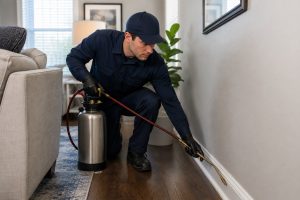
Professional ant control involves much more than spraying visible insects. A comprehensive treatment typically includes identifying the ant species, locating nesting areas, evaluating food and moisture sources, applying targeted products, and treating exterior activity around the home. Professionals understand how ant colonies function and can select products designed to eliminate entire colonies rather than individual workers.
Many treatments also include residual products that continue working after application, helping reduce future activity. Combined with recommendations for sanitation and exclusion, professional services provide a much more permanent solution than most store-bought sprays.
Preventing Future Ant Problems
After an infestation is eliminated, homeowners can take several steps to reduce the chances of ants returning. Keeping food stored in sealed containers, cleaning spills promptly, managing moisture issues, trimming vegetation away from the home, and sealing cracks around the foundation can all help reduce ant activity.
Regular inspections around the exterior of the property can also identify developing problems before they become major infestations. Because ant colonies can establish themselves quickly, early intervention often prevents larger and more expensive treatments later.
Trust KW Pest Control for Effective Ant Treatments
If ants keep coming back after spraying, the problem is likely deeper than the visible ants you’re seeing. Eliminating worker ants without addressing the colony rarely provides lasting results. At KW Pest Control, we provide professional ant treatments throughout Kitchener, Waterloo, Cambridge, and surrounding communities. Our experienced technicians identify the species involved, locate likely nesting areas, and implement targeted treatment plans designed to eliminate the source of the infestation.
Whether you’re dealing with pavement ants in the kitchen, carpenter ants in your walls, or recurring outdoor ant activity around your foundation, we can help. Contact KW Pest Control today to schedule your ant inspection and take the first step toward long-term ant control.