As winter fades and temperatures begin to rise, many homeowners across Ontario start noticing an increase in pest activity. One of the most common spring pest problems is ants. It often begins with a few ants appearing near a window, sink, or kitchen counter, but those early signs can quickly develop into a much larger infestation if left untreated.
Spring ant activity is extremely common in Kitchener, Waterloo, Cambridge, and surrounding areas. Ant colonies become active again as the ground warms up, and worker ants begin searching for food and water. Homes provide ideal conditions, especially after a long Ontario winter.
Understanding what to expect during ant season can help homeowners identify problems early and avoid larger infestations later in the year.
Why Ant Activity Increases in Spring
During the winter, many ant colonies remain relatively inactive underground, inside wall voids, beneath concrete, or under landscaping features. As temperatures warm in spring, colonies become active again. Worker ants leave the nest to search for food and moisture. This is when homeowners start seeing trails of ants indoors.
Spring weather also creates ideal conditions for ants to expand their colonies. Melting snow and seasonal rain increase moisture levels, while warming temperatures speed up activity and reproduction. For ants, spring is the beginning of a busy season.
Why Homes Become Targets
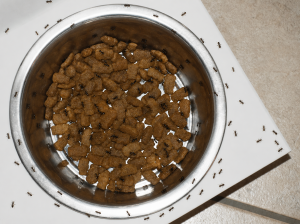
Ontario homes provide ants with easy access to food, water, and shelter. Kitchens, bathrooms, basements, and garages are especially attractive. Even clean homes can experience ant problems. Small crumbs, pet food, sugary spills, and moisture around sinks are enough to attract foraging ants.
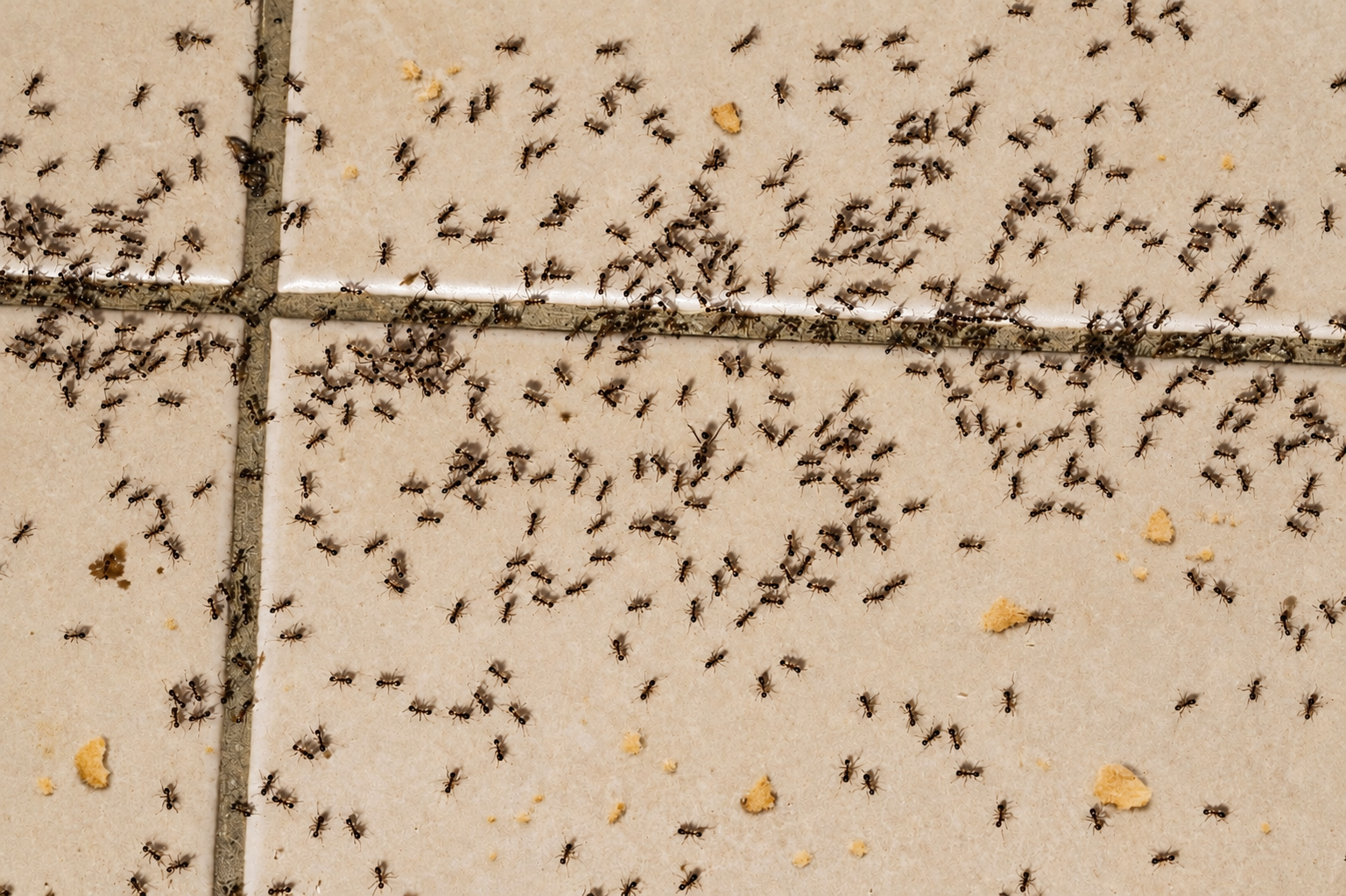
Once ants find a food source, they leave behind scent trails for other ants to follow. This is why activity often seems to grow rapidly over a short period of time. Homes also provide protection from changing outdoor weather conditions, especially during periods of heavy rain or fluctuating spring temperatures.

Common Spring Ants in Ontario
Several ant species become active during spring in Ontario. Some are mostly nuisance pests, while others may indicate larger structural concerns.
Pavement Ants
Pavement ants are one of the most common spring invaders. They often nest under sidewalks, driveways, patios, and foundations. These ants typically enter homes through tiny cracks and gaps around doors, windows, and utility lines. Kitchens are a common target because pavement ants are highly attracted to food sources.
Carpenter Ants
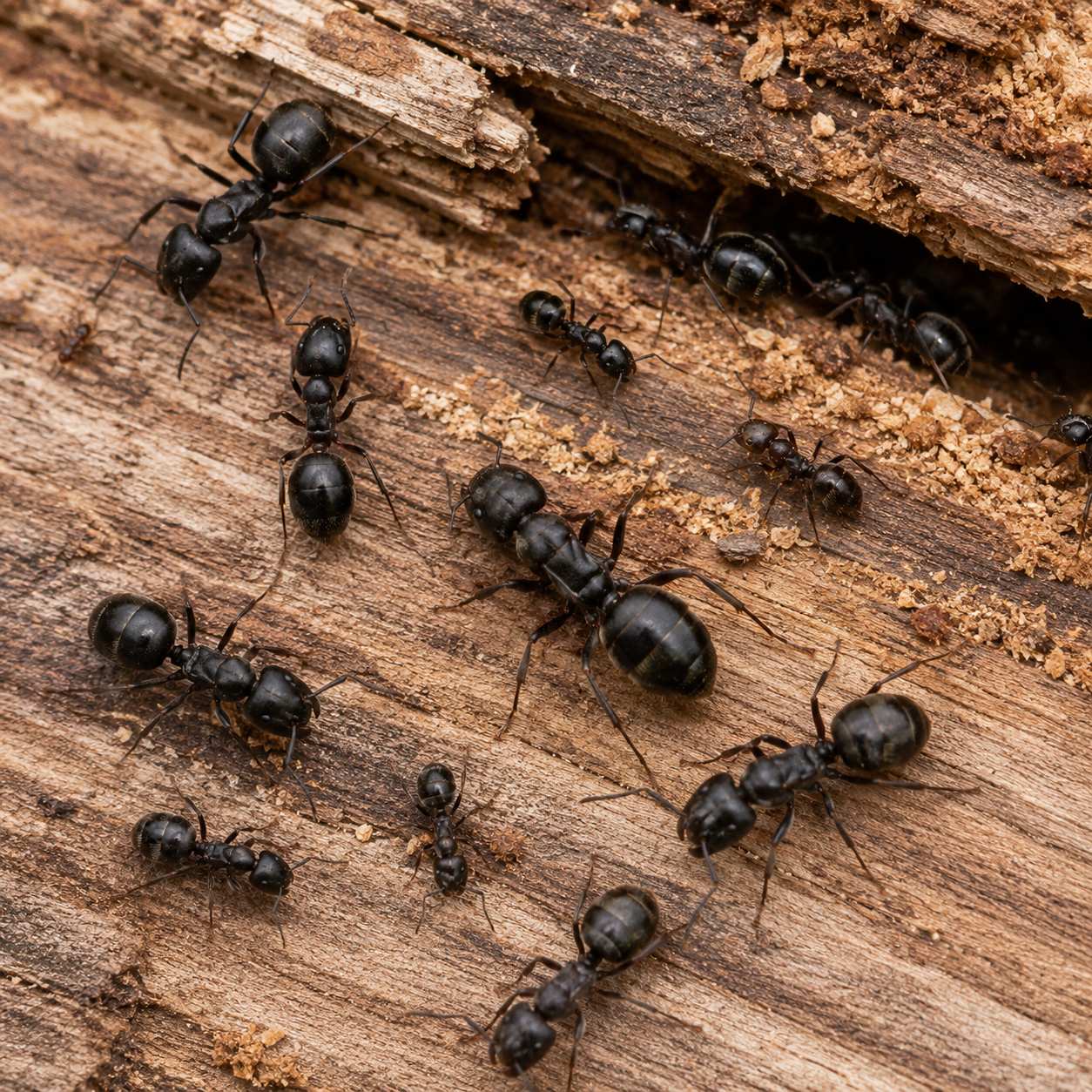
Spring is also when many homeowners begin noticing carpenter ants. These larger black ants are especially active after winter and may be seen indoors searching for food. Unlike pavement ants, carpenter ants can indicate moisture problems or damaged wood inside the home. They tunnel through wood to create nesting galleries, making them more than just a nuisance pest. Finding carpenter ants indoors regularly should never be ignored.
Pharaoh Ants
Pharaoh ants are tiny and difficult to control. They are known for spreading quickly through homes, apartments, and commercial buildings. These ants can become a major issue because improper treatment methods may cause colonies to split and spread further throughout the structure.
Early Signs of a Spring Ant Infestation
Spring infestations often begin subtly. Homeowners may initially see just a few ants near a sink or along a windowsill.
Common early signs include:
- Ants trailing along countertops or floors
- Small clusters near sinks or water sources
- Activity around pet food or garbage
- Ants entering through cracks or gaps
As colonies become more active, the number of visible ants usually increases. In some cases, ants may suddenly appear after rainfall or warm weather. Moisture and temperature changes often push ants indoors temporarily while they search for stable conditions.
Why Ant Problems Can Escalate Quickly
One reason spring ant infestations become frustrating so quickly is the size of ant colonies. The ants homeowners see are only a small portion of the overall colony. Worker ants are constantly searching for resources. Once food is located, more ants follow the scent trail.
Over time, colonies continue growing throughout the spring and summer. What starts as occasional sightings can develop into steady daily activity if not addressed. Some species may also establish satellite colonies indoors, making the infestation harder to control.
Why DIY Treatments Often Fail
Many homeowners attempt to deal with spring ants using sprays or store-bought products. While this may temporarily reduce visible ants, it often does not eliminate the colony itself. Sprays only target the ants that are seen. The queen and the majority of the colony usually remain hidden.
For certain species like pharaoh ants, incorrect spraying can actually worsen the problem by causing colonies to split into multiple nests. This is one reason recurring ant problems are so common after DIY treatment attempts.
The Importance of Proper Ant Identification
Not all ants should be treated the same way. Different species respond to different treatment methods. Some ants prefer sweet-based bait, while others are attracted to proteins or grease. Proper identification is essential for selecting the right control strategy.
Carpenter ants also require additional attention because their presence may indicate moisture issues or structural vulnerabilities within the home. Professional pest control services focus on identifying the species first before beginning treatment.
How Professional Ant Control Works
Professional ant treatment is designed to target the source of the infestation, not just the visible ants.
This typically involves:
- Identifying the ant species
- Locating activity zones and entry points
- Applying targeted baiting or treatment methods
- Reducing conditions that attract ants
Exterior inspections are also important because many spring ant infestations originate outside the home. Long-term control depends on eliminating colonies and limiting future access.
Preventing Spring Ant Problems
While some spring ant activity is difficult to avoid completely, there are steps homeowners can take to reduce the risk. Keeping kitchens clean, storing food properly, and addressing moisture issues all help reduce attraction. Sealing small gaps around windows, doors, foundations, and utility lines can also limit entry opportunities.
Outdoor maintenance matters as well. Ant colonies often establish themselves near foundations, landscaping stones, patios, and wood piles. Reducing moisture and debris around the home can help discourage nesting. Early action is one of the most important parts of prevention. Small infestations are always easier to manage than larger established colonies.
Why Spring Is the Best Time to Address Ants
Spring treatment helps stop colonies before they grow larger during summer. Addressing the issue early reduces the chances of long-term indoor activity and can prevent colonies from spreading deeper into the home.
For carpenter ants especially, early treatment may help identify hidden moisture or wood damage before it becomes more serious. Waiting too long often allows infestations to become more difficult and expensive to control.
Book Ant Control with KW Pest Control
If you are seeing ants in your home this spring, early treatment can help prevent the problem from getting worse. KW Pest Control provides professional ant control services throughout Kitchener, Waterloo, and Cambridge. Our team identifies the ant species, targets the source of the infestation, and helps prevent future activity.
For fast and effective spring ant treatment, contact KW Pest Control today to book your inspection and service.