
One of the most common questions homeowners ask after dealing with a mouse problem is whether the issue is truly gone. It’s a fair concern. You may notice activity slow down after treatment, only to wonder if mice could return weeks or months later.
The short answer is yes, mice can come back after treatment. But that doesn’t mean treatment failed. It usually means something important wasn’t fully addressed. Understanding why mice return and what prevents it is the key to long-term control.
For homeowners in Kitchener, Waterloo, and Cambridge, this is especially important due to seasonal changes and the way homes are built. Mice are persistent, and if conditions allow, they will always try to get back inside.
What “Treatment” Actually Does
When people think of mouse treatment, they often picture traps or bait being placed inside the home. While those are important tools, they are only one part of the solution. Treatment focuses on removing the mice that are currently inside. This is done through strategically placed control stations, traps, or bait in areas where mice are active.
In many cases, homeowners see a noticeable drop in activity within a few days. No more scratching sounds, no new droppings, and fewer sightings. At that point, it can feel like the problem is solved. But what matters next is whether the home is protected from new mice entering.
Why Mice Come Back After Treatment
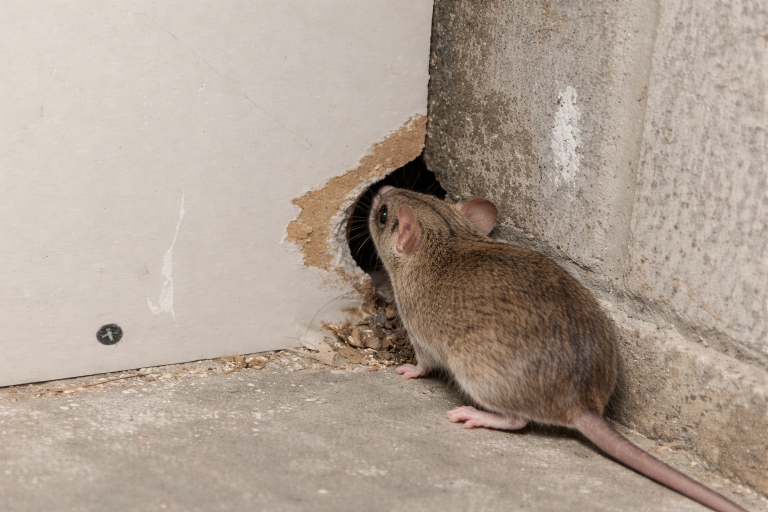
Mice don’t return randomly. If they come back, there is always a reason. The most common cause is that the original entry points were never fully sealed.
Entry Points Are Still Open
Mice enter homes through small gaps around foundations, pipes, siding, rooflines, and garage doors. If these openings are still there after treatment, new mice can follow the same path inside. Even if every mouse inside the home is removed, the problem can start again if access is not blocked.
Nearby Mouse Activity
In residential areas like Waterloo Region, mice are always present outdoors. They live in yards, gardens, and nearby green spaces. If your home has an accessible entry point, it becomes an easy target. Mice are constantly exploring and looking for shelter. This is why one home can have repeated issues while another nearby does not. It often comes down to how accessible the structure is.
Seasonal Pressure
Mice are more likely to enter homes during certain times of year, especially in the fall and early winter. As temperatures drop, they search for warmth and shelter. If your home had a mouse issue in the past and entry points remain open, it becomes a familiar and reliable place for them to return to. Spring can also bring increased activity due to breeding. Even if treatment was done in winter, new mice may attempt to enter as populations grow.
Partial or Incomplete Treatment
Sometimes treatment only addresses part of the problem. If mice are nesting in multiple areas, such as the attic and basement, and only one area is treated, activity can continue. Mice are also good at staying hidden. Without identifying all active zones, it is possible for some to remain undetected.
How to Tell If Mice Have Returned
It’s important to know the difference between leftover signs and new activity. After treatment, you may still notice old droppings or hear occasional noises as the situation settles.
Signs of new activity include:
- Fresh droppings appearing in clean areas
- New scratching sounds at night
- Chewed food packaging or materials
- Sightings of live mice
If these signs start appearing again after a period of no activity, it often indicates that new mice have entered the home.
Why Some Homes Experience Repeat Problems
Certain homes are more prone to recurring mouse issues. This does not mean they are unclean or poorly maintained. It usually comes down to structure and location. Homes with multiple small gaps, aging materials, or complex exterior designs can be harder to fully seal. Properties near fields, parks, or wooded areas may also see more mouse pressure.
Garages, basements, and older foundation lines are especially common problem areas in Cambridge and Kitchener homes. Understanding these risk factors helps explain why some homeowners deal with mice more than once.
What Actually Prevents Mice From Coming Back
The most effective way to stop mice from returning is to combine removal with prevention. One without the other rarely works long term.
Sealing Entry Points Properly
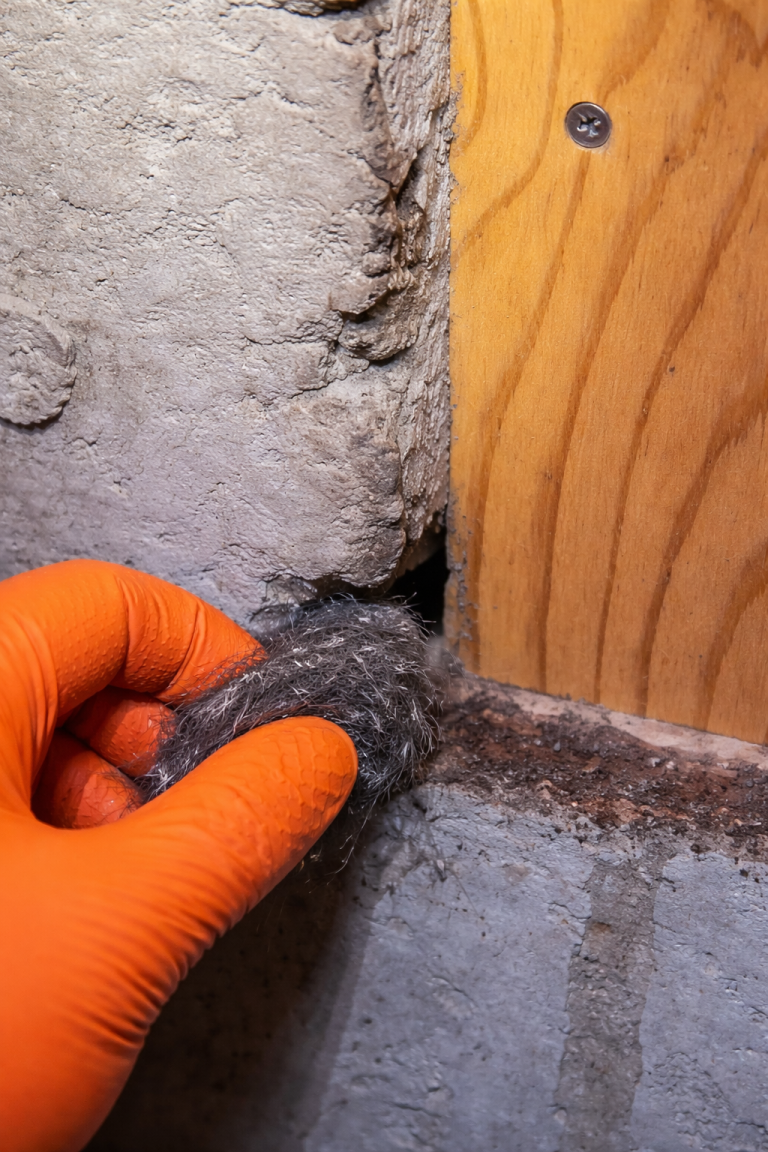
This is the most important step. Every accessible gap on the exterior of the home needs to be identified and sealed.
This includes areas around:
- Foundations
- Utility lines
- Garage doors
- Rooflines and vents
Sealing needs to be done using materials that mice cannot chew through. Steel mesh combined with proper sealant is commonly used because it provides durability.
Monitoring After Treatment
Even after treatment is complete, it is important to monitor the situation. This helps confirm that activity has fully stopped and that no new mice are entering. In some cases, follow-up visits or checks are recommended to ensure everything remains under control.
Reducing Attractants
While mice can enter even clean homes, reducing food sources makes a difference. Proper food storage, cleaning up crumbs, and managing garbage all help make your home less appealing. Clutter should also be minimized, especially in storage areas where mice like to hide.
Why Professional Treatment Makes a Difference
One of the biggest differences between temporary relief and long-term control is how thoroughly the problem is handled. Professional mouse control goes beyond placing traps. It includes a detailed inspection to identify entry points and understand how mice are moving through the home.
Technicians know where to look for hidden gaps and how to treat areas that are not immediately visible. They also use materials and methods designed for long-term results. This is especially important in homes where previous DIY efforts have not fully solved the problem.
How Long Should You Expect Results to Last?
When treatment is done properly and entry points are sealed, results can be long-lasting. Many homeowners do not experience further issues once the home is secured.
However, if new gaps develop over time due to weather or wear, the risk can return. This is why periodic checks of the exterior are important. Mouse control is not just about removing what is inside today. It is about keeping them out in the future.
The Importance of Acting Early
If you notice signs of mice returning, it is important to act quickly. Waiting allows the problem to grow, which can lead to more extensive activity and damage. Early action makes the process easier and reduces the chances of a larger infestation. Even small signs should be taken seriously, especially if you have dealt with mice before.
Book Mouse Control with KW Pest Control
If you are concerned about mice coming back after treatment or are noticing new signs of activity, it is important to address the issue properly. KW Pest Control provides professional mouse removal and prevention services throughout Kitchener, Waterloo, and Cambridge. Our team focuses on identifying entry points, removing active mice, and helping ensure they do not return.
For reliable, long-term results, contact KW Pest Control today to book your inspection and treatment.