
Mouse problems are a reality for many homeowners across Ontario. Whether you are in Kitchener, Waterloo, Cambridge, or surrounding areas, mice are constantly looking for warm, safe places to nest. Homes provide everything they need, especially during colder months, but activity can continue year-round once they are inside.
If you are dealing with mice or want to prevent them, choosing the right control methods makes all the difference. Not all approaches are equally effective, and many homeowners find themselves repeating the same steps without solving the root issue. This guide covers the best mouse control methods for Ontario homes, focusing on what actually works for long-term results.
Why Mouse Control Requires a Complete Approach
Mice are not just a one-time problem. They are persistent and adaptable. Removing a few mice without addressing how they entered will almost always lead to repeat activity. Effective control involves three key elements working together. You need to remove active mice, block their entry points, and make your home less attractive to them going forward. Skipping any one of these steps can leave the door open for the problem to return.

Interior Control: Removing Active Mice
The first step in any mouse control plan is dealing with the mice already inside your home. This is where most homeowners start, and it is an important part of the process.
Strategic Trap Placement
Traps are one of the most common and effective tools when used correctly. The key is placement. Mice do not roam randomly. They follow consistent paths along walls, behind appliances, and through tight spaces. Placing traps in open areas rarely works. Instead, they should be positioned directly along these travel routes. This increases the chances of quick results. In Ontario homes, common trap locations include basements, kitchens, garages, and utility areas.
Bait Stations and Rodenticide
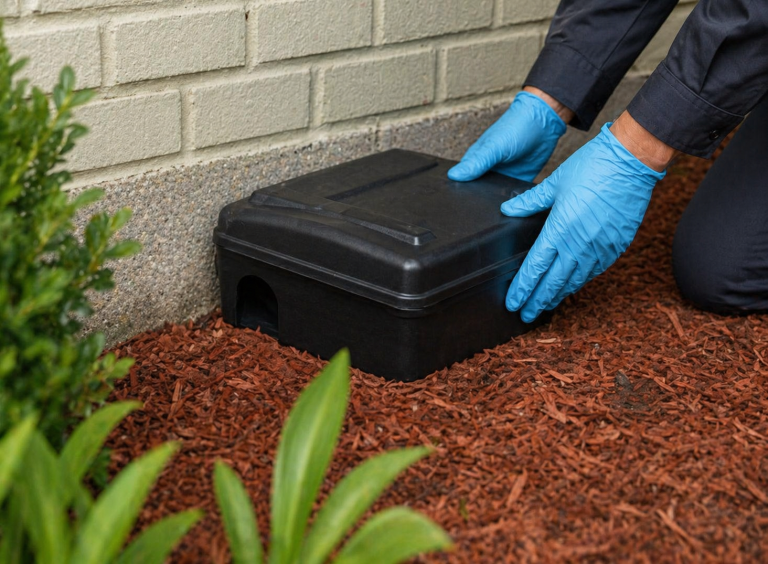
Bait stations are another method used in mouse control. These are enclosed devices that hold rodenticide and allow mice to feed safely inside. The bait works by dehydrating the mice, which reduces the chance of odour issues compared to other methods. These stations are typically placed in key areas where mice are active. This method is often used in combination with traps to address larger infestations more efficiently.
Exterior Control: Stopping Mice Before They Get In
One of the most overlooked parts of mouse control is what happens outside the home. In Ontario, where seasonal changes are significant, exterior vulnerabilities are a major factor.
Sealing Entry Points
Mice can enter through openings as small as a dime. These gaps are often found around foundations, siding, and where utilities enter the home. Sealing these entry points is one of the most important steps in preventing mice from coming back. Materials like steel mesh combined with proper sealant are used because they cannot be chewed through. Areas that should always be checked include the base of the home, garage door edges, vents, and roofline transitions.
Garage and Basement Protection
Garages are a common entry point, especially in suburban Ontario homes. Worn door seals or small gaps can allow mice easy access. Once inside the garage, they can move into the home through shared walls or openings. Basements also need attention. Even small cracks or gaps can become entry points over time due to weather-related expansion and contraction.
Prevention Inside the Home
Once mice are removed and entry points are addressed, prevention becomes the focus. This step helps reduce the likelihood of future infestations.
Food Storage and Cleanliness
Mice are attracted to food sources, even in small amounts. Keeping food sealed and cleaning up crumbs or spills can make a noticeable difference. Pantry items should be stored in containers rather than original packaging. Pet food should not be left out overnight, and garbage should be sealed properly. While cleanliness alone will not stop mice, it reduces what draws them in.
Reducing Clutter
Clutter creates hiding spots and nesting areas. Storage rooms, basements, and garages are especially vulnerable. Keeping these spaces organized and minimizing excess materials makes it harder for mice to settle in and remain undetected.
Why Some Methods Work Better Than Others
Not all mouse control methods are equally effective. Some approaches may provide temporary relief but fail to solve the underlying problem. For example, ultrasonic repellents are often marketed as an easy solution, but they rarely provide consistent results in real-world conditions.
Similarly, relying on a few traps without addressing entry points may reduce activity for a short time but will not prevent new mice from entering. The most effective methods are those that combine removal with prevention.
Seasonal Considerations in Ontario
Ontario’s climate plays a major role in mouse activity. As temperatures drop in the fall, mice actively search for indoor shelter. This is when most infestations begin. Winter provides a stable indoor environment for mice, allowing them to settle and reproduce. By spring, homeowners may notice increased activity as populations grow. Even in summer, mice remain active, especially if they have already established themselves inside the home. This cycle is why year-round awareness and maintenance are important.
When to Call a Professional
While some homeowners attempt to handle mouse problems on their own, there are situations where professional help is the best option. If activity continues despite your efforts, or if you are unsure where mice are entering, a professional inspection can identify the source of the problem.
Larger infestations, hidden nesting areas, and complex entry points are often difficult to manage without experience. Professional rodent control services take a comprehensive approach, addressing both the current problem and future prevention.
Long-Term Mouse Control Strategy
The best mouse control plan is one that looks beyond immediate results. Removing mice is only part of the solution. A long-term strategy involves regular inspections, maintaining sealed entry points, and staying aware of early signs of activity. Homes that take a proactive approach are far less likely to experience repeat infestations.
Book Mouse Control with KW Pest Control
If you are dealing with mice or want to protect your home from future issues, choosing the right approach is essential. KW Pest Control provides professional mouse removal and prevention services throughout Kitchener, Waterloo, and Cambridge. Our team focuses on identifying entry points, removing active mice, and helping you keep them out long term.
For fast, effective service in Ontario homes, contact KW Pest Control today to book your inspection and treatment.