
Mice are one of the most persistent pest problems homeowners face across Kitchener, Waterloo, and Cambridge. They are small, adaptable, and incredibly good at finding their way indoors. Many people are surprised at how easily mice can enter a home and how quickly they settle in once they do.
If you are dealing with mice or want to prevent them, understanding how they get inside is the first step. The second is knowing what actually works to stop them for good.
Why Mice Are So Good at Getting Inside
Mice are built for survival. Their bodies are flexible, allowing them to squeeze through openings as small as a dime. They are also excellent climbers, which means they are not limited to ground-level entry points.
Unlike larger wildlife, mice do not need obvious holes or major damage to get inside. Tiny gaps that most homeowners would ignore are more than enough. Once they find a way in, they leave scent trails that other mice follow. This is how a single entry point can quickly turn into a larger infestation.
Common Entry Points Around Your Home
Most mouse infestations begin with small structural vulnerabilities. These are often areas that develop over time due to weather, wear, or shifting materials.
Gaps Along the Foundation
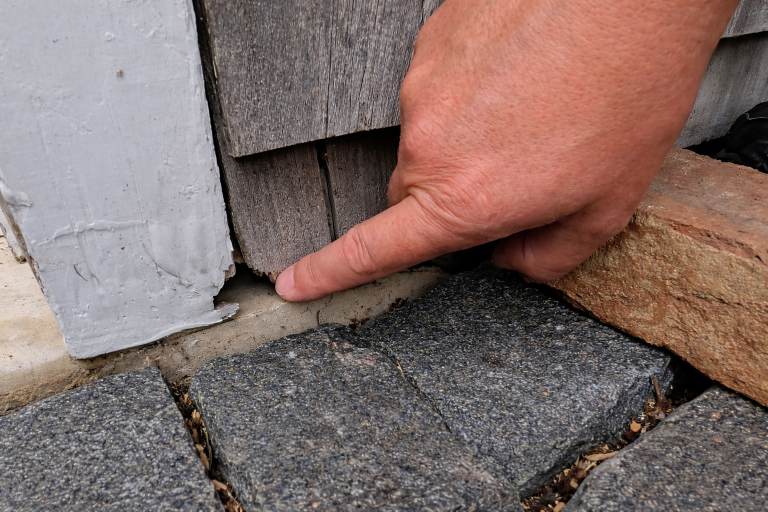
The foundation is one of the most common places mice enter. Small cracks or gaps where concrete meets siding can provide easy access. Even newer homes can develop these openings after seasonal expansion and contraction. Mice often travel along the perimeter of a home until they find a weak point. Once inside, they can move into wall cavities and spread throughout the structure.
Openings Around Utility Lines
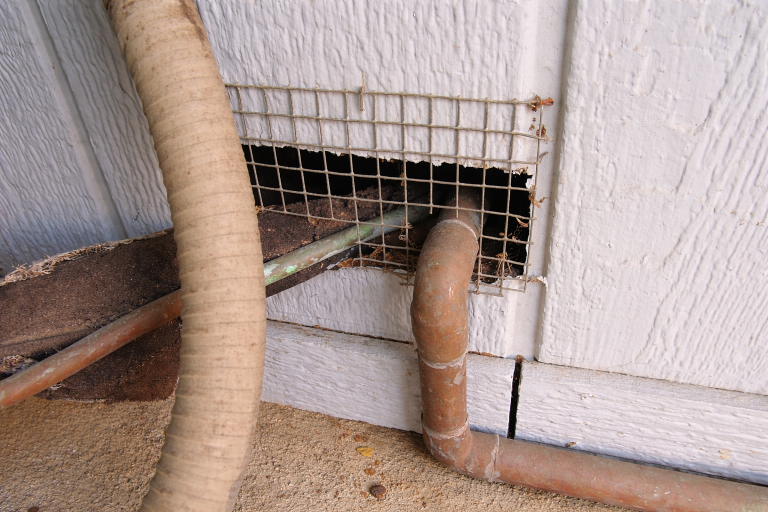
Where pipes, electrical lines, and cable lines enter the home, there are often small gaps. These areas are rarely sealed perfectly, especially in older homes. Mice are drawn to these openings because they already provide a path inside. Over time, they can widen these gaps by chewing.
Garage Doors and Entry Points
Garage doors are another major entry point. If the seal along the bottom is worn or uneven, mice can slip underneath with ease. From there, they can move from the garage into the main living space through shared walls, especially if there are gaps or openings inside.
Roofline and Vent Openings
Because mice can climb, they are not limited to lower areas. Rooflines, soffits, and vents can all provide access. Damaged vents or loose soffit panels create openings that allow mice into attics. Once in the attic, they can move down into walls and ceilings.
Doors and Windows
Even small gaps under doors or around window frames can be enough. Weather stripping that has worn down over time often creates these openings. This is especially common in older homes or properties where maintenance has been delayed.
What Happens After Mice Get Inside
Once mice enter a home, they look for three things: shelter, food, and water. Homes provide all of these in abundance.
They typically settle in areas that are quiet and undisturbed, such as:
- Wall cavities
- Attics
- Basements
- Behind kitchen cabinets and appliances
From these nesting areas, mice travel through the home in search of food. They often stick to edges and corners, which is why activity is commonly seen along baseboards.
Mice are also nocturnal, so most of their movement happens at night. This is why homeowners often hear scratching or movement in walls after dark.
Why Mice Keep Coming Back
Many homeowners deal with recurring mouse problems. This usually happens when the root cause is not fully addressed. Removing a few mice does not solve the issue if the entry points remain open. New mice can continue to enter the home, following the same paths.
Mice also leave behind scent trails that attract others. If these trails are not disrupted, the area continues to draw activity. This is why long-term control depends on both removal and prevention.
How to Stop Mice From Getting In
Stopping mice requires a combination of sealing entry points, reducing attractants, and addressing any existing activity inside the home.
Sealing Entry Points Properly
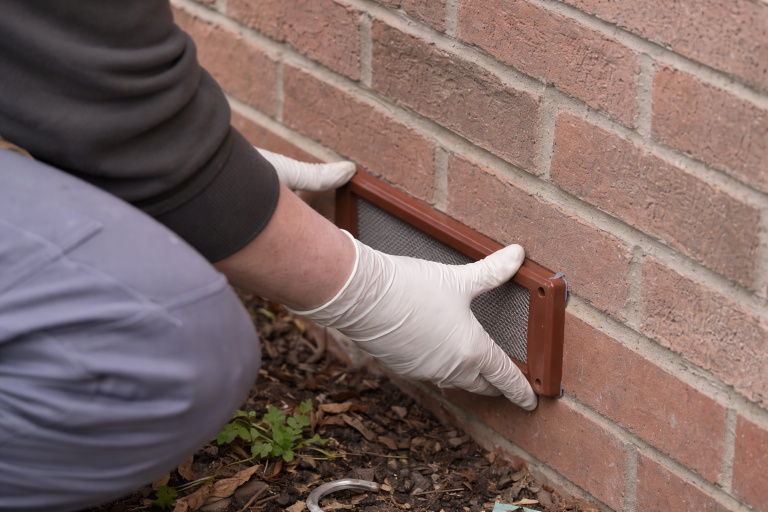
The most important step is identifying and sealing all possible entry points. This involves a detailed inspection of the exterior of the home. Gaps should be sealed using durable materials such as steel mesh and proper sealants. Materials like foam alone are not effective because mice can chew through them. Pay close attention to areas around the foundation, utility lines, garage doors, and rooflines. Even small gaps should be addressed.
Reducing Food Sources
Mice are more likely to stay in a home where food is easy to access. Keeping food sealed and maintaining a clean environment reduces what attracts them. Pantry items should be stored in sealed containers. Crumbs and spills should be cleaned promptly. Garbage should be managed carefully and not left exposed. While cleanliness alone will not prevent mice, it makes your home less appealing.
Managing Interior Clutter
Clutter provides hiding spots and nesting materials for mice. Areas like basements, storage rooms, and garages are common problem zones. Keeping these areas organized and reducing excess materials makes it harder for mice to settle in.
Why DIY Prevention Often Falls Short
Many homeowners attempt to handle mouse problems on their own. While this can help in the short term, it often does not provide lasting results. The main challenge is identifying all entry points. It is easy to miss small gaps, especially in less visible areas like rooflines or behind structures.
Another issue is incomplete sealing. Using the wrong materials or not sealing gaps fully allows mice to return. DIY methods also tend to focus on trapping without addressing how mice are entering in the first place.
The Role of Professional Pest Control
Professional mouse control takes a more comprehensive approach. It starts with a full inspection to identify where mice are entering and where they are active. From there, treatment is applied strategically to remove existing mice. At the same time, recommendations are made to address entry points and prevent future issues.
This combination of removal and prevention is what makes professional service more effective. Technicians are trained to spot areas that homeowners often miss. They also use materials and methods designed to withstand long-term use.
How Quickly Can Mice Be Stopped?
The timeline depends on how established the infestation is and whether entry points are addressed. When treatment is applied correctly, activity levels often decrease within a few days. However, if entry points remain open, new mice can continue to enter. Homes that combine removal with proper sealing typically see faster and more lasting results.
Protecting Your Home Year-Round
Mice are not just a winter problem. While they are more likely to enter homes during colder months, they can be active year-round. Regular inspections of your home’s exterior can help catch new gaps early. Seasonal maintenance, especially before fall, is one of the best ways to prevent infestations. Paying attention to early signs such as droppings or noises can also help you act before the problem grows.
Book Mouse Control with KW Pest Control
If you are dealing with mice or want to prevent them from entering your home, taking action early is the best approach. Small gaps can lead to bigger problems if left untreated.
KW Pest Control provides professional mouse removal and prevention services throughout Kitchener, Waterloo, and Cambridge. Our team focuses on identifying entry points, removing active mice, and helping you protect your home long term.
For fast, effective service, contact KW Pest Control today to book your treatment.